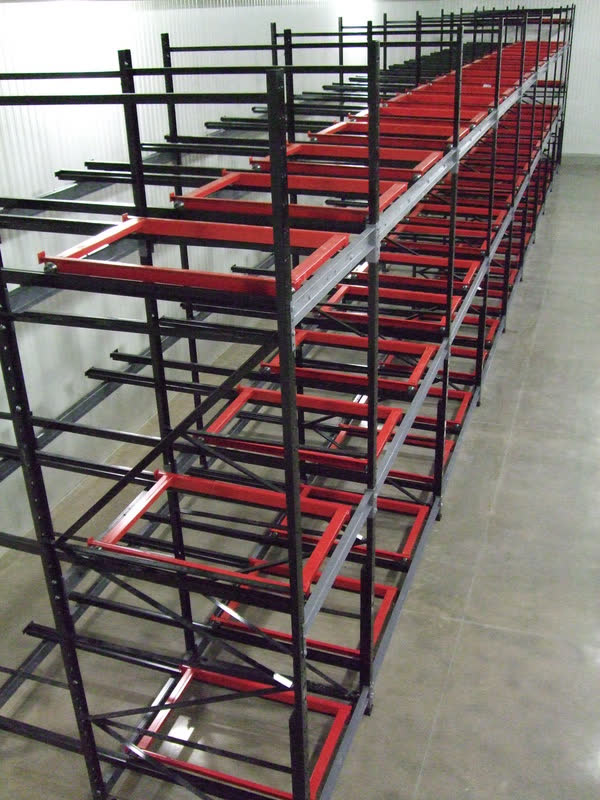
Push Back Pallet Rack
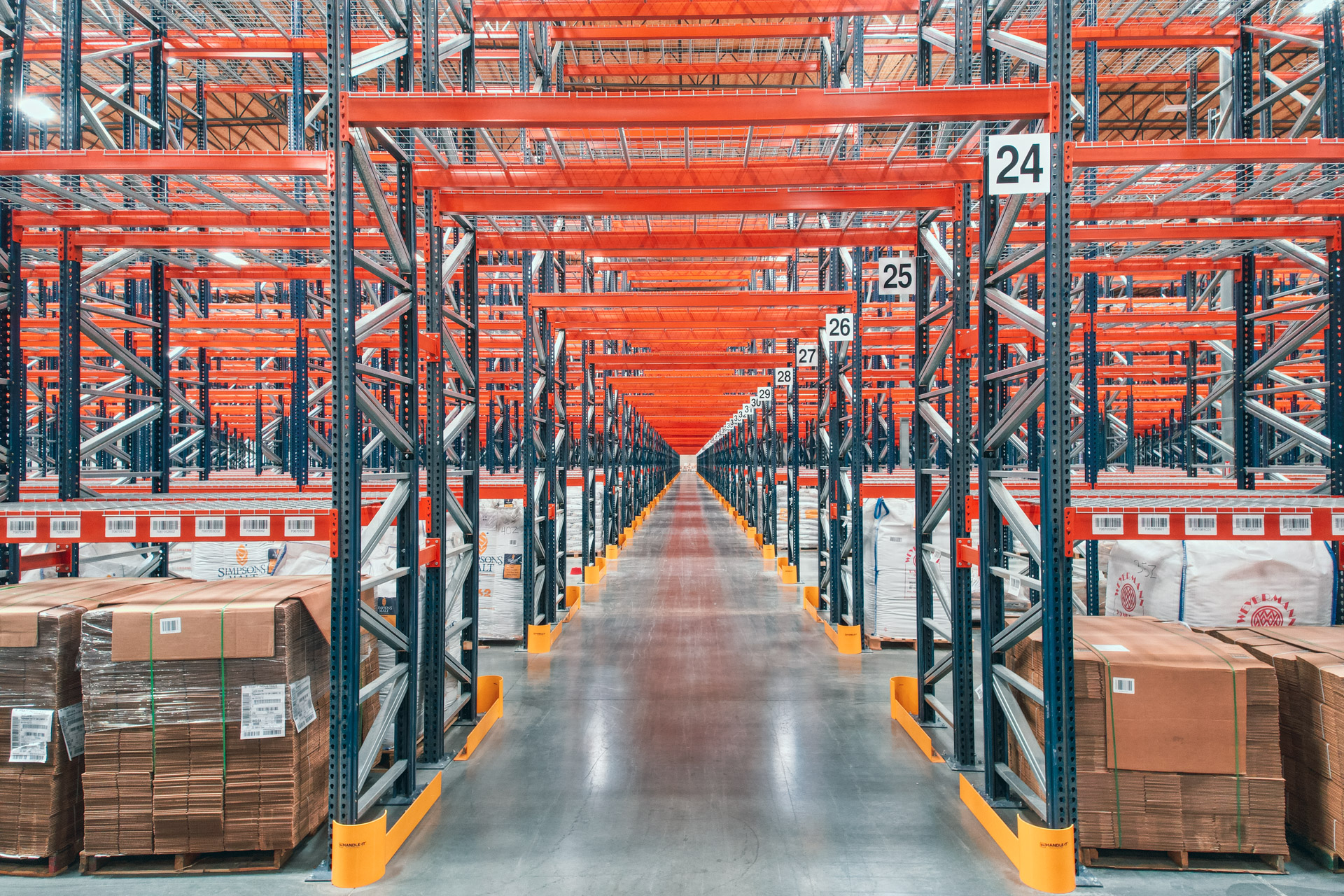
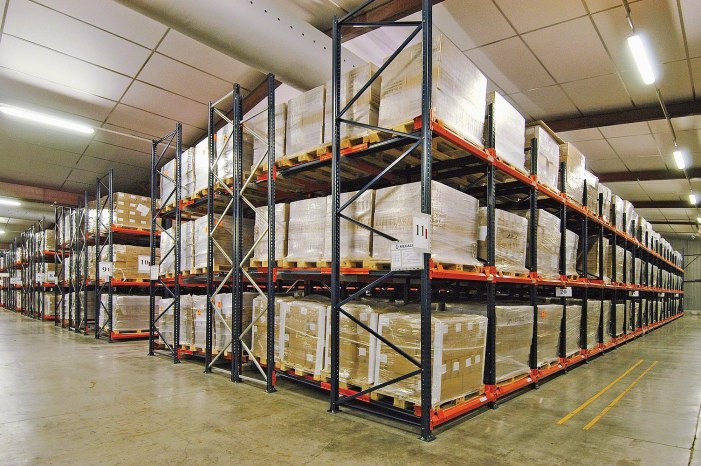
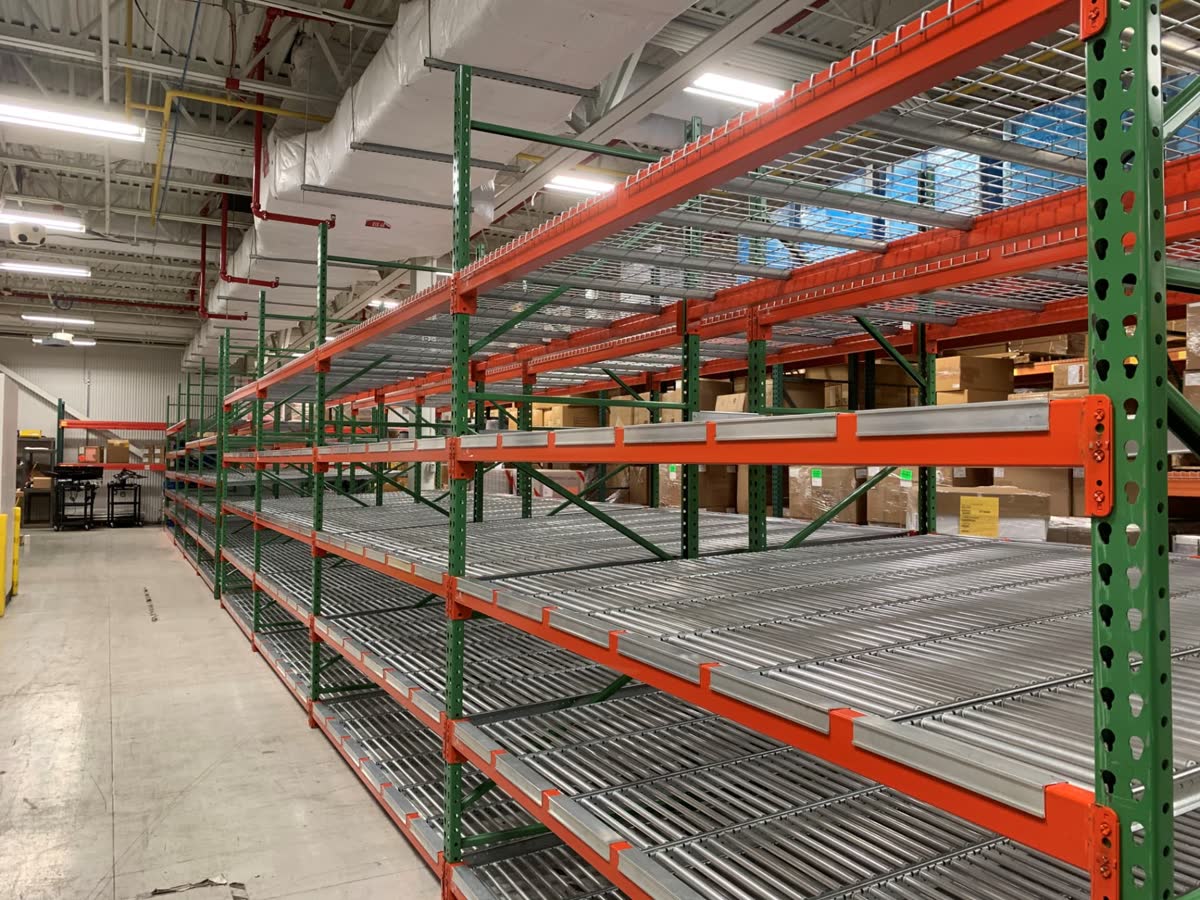
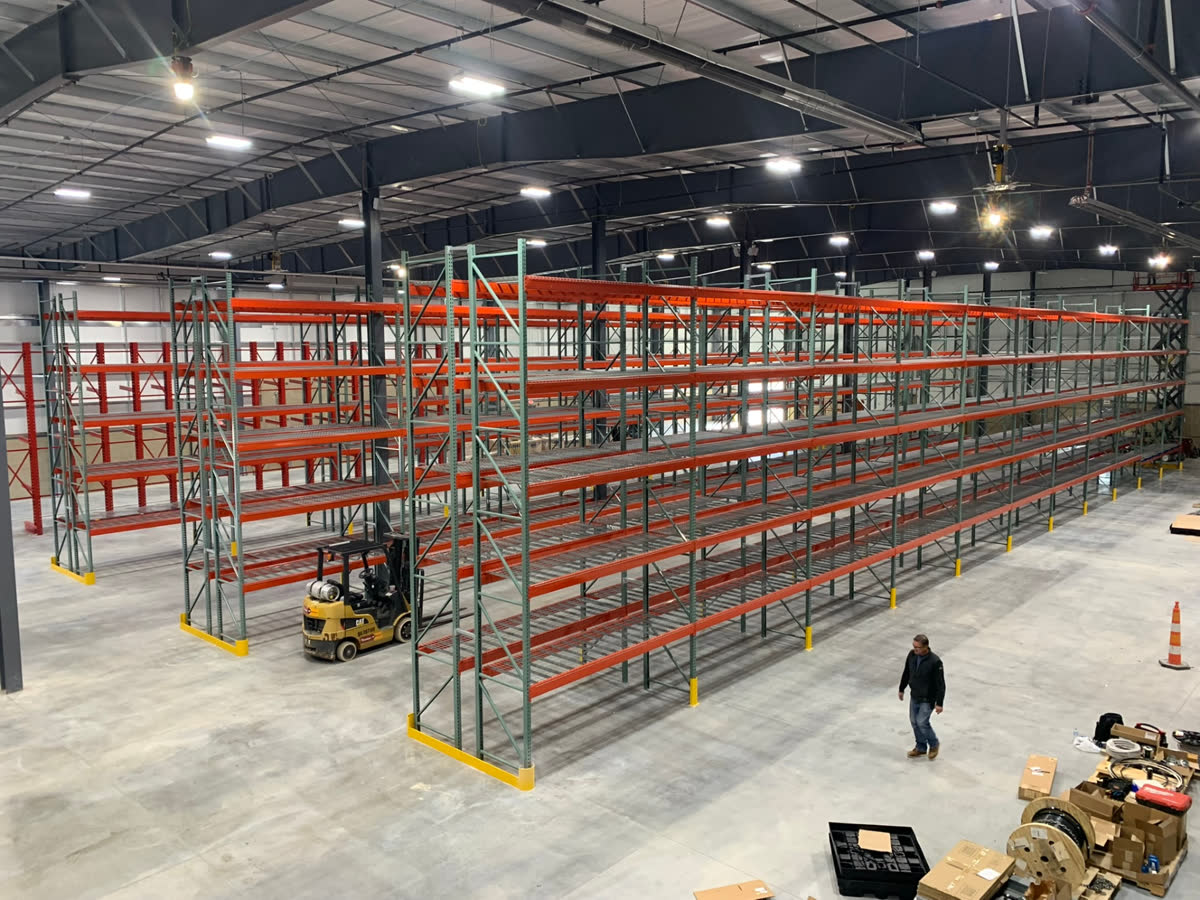
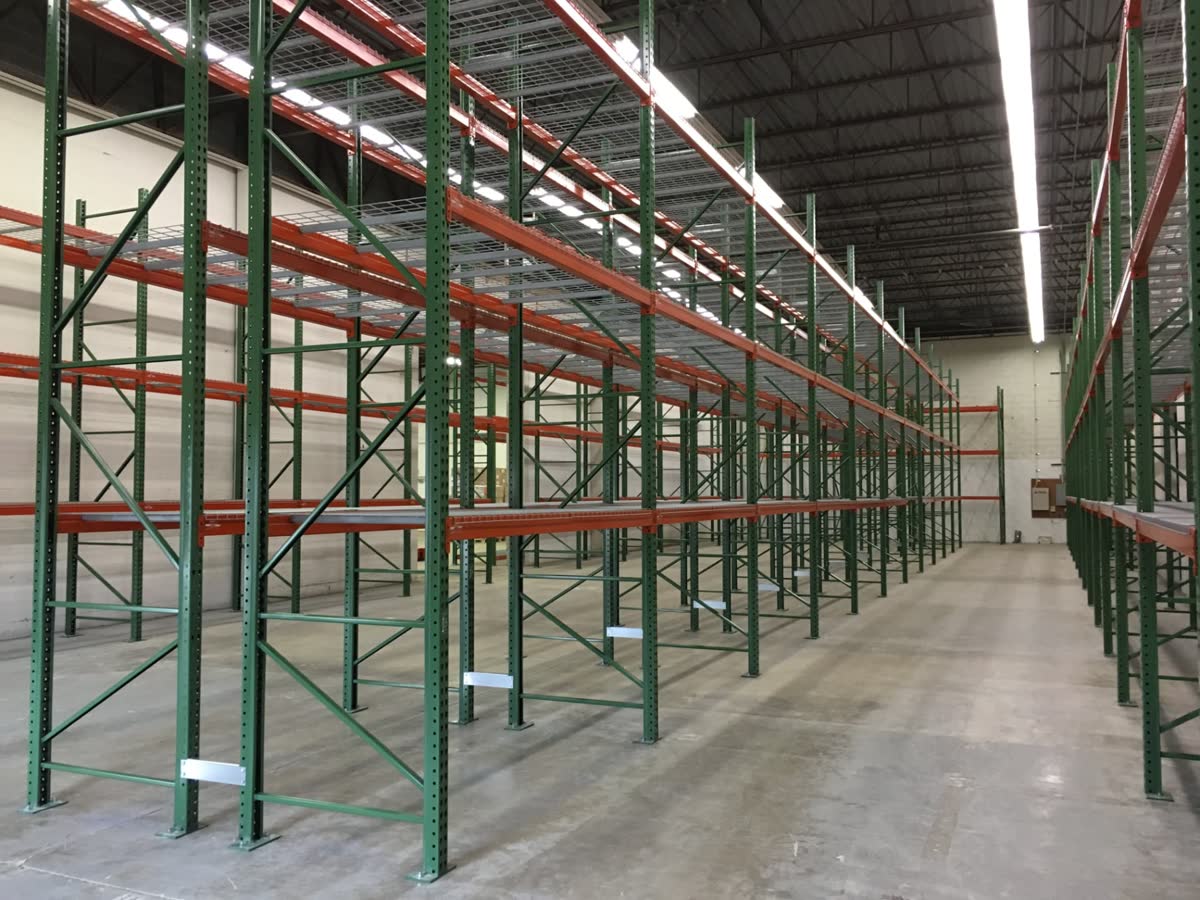
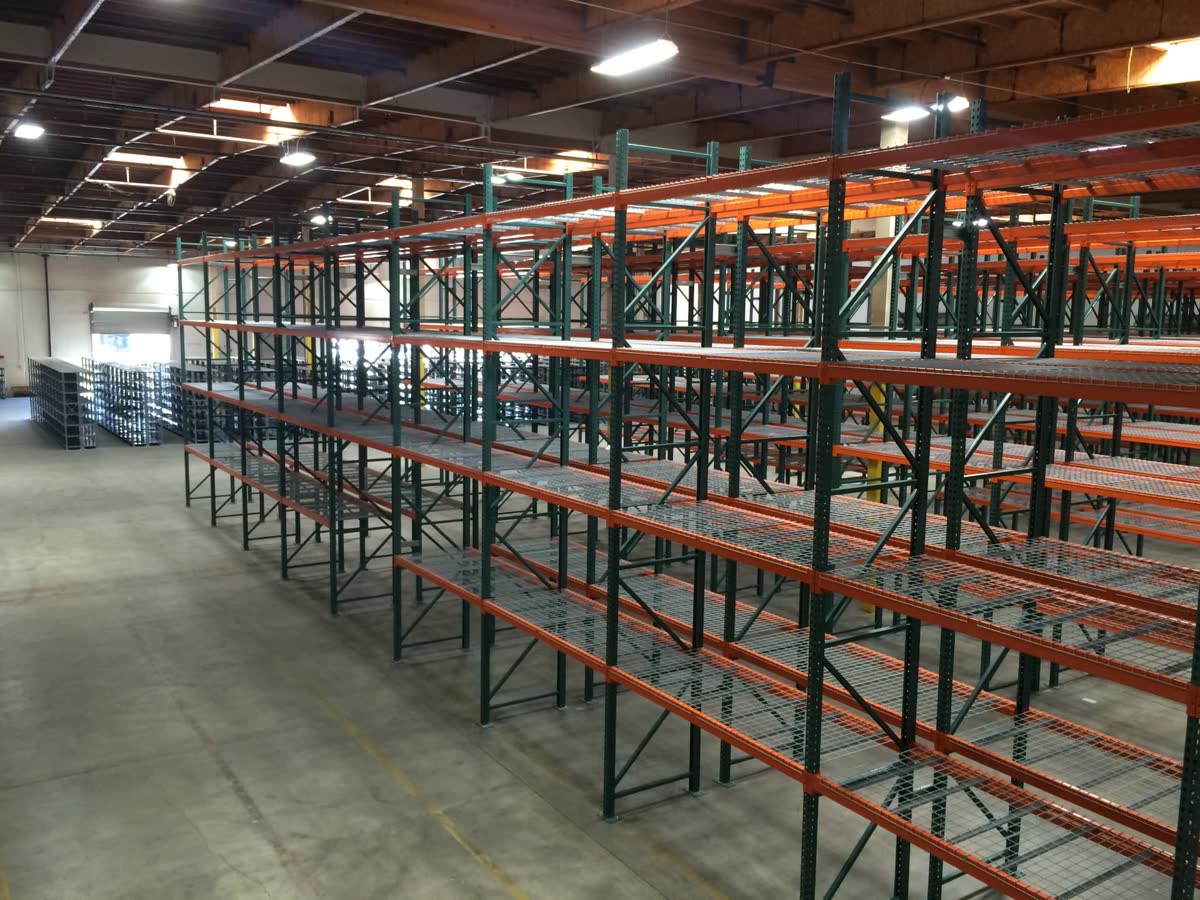
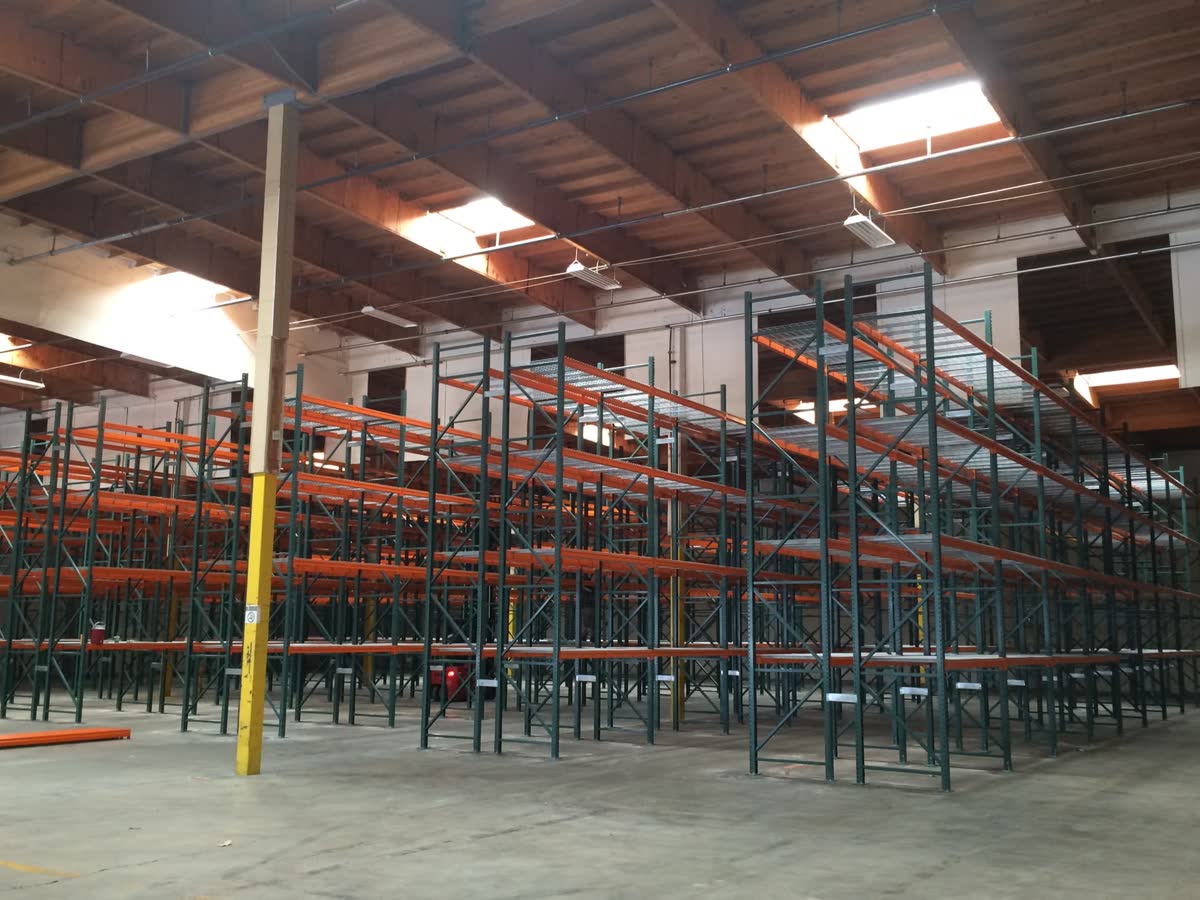
Push back pallet rack systems utilize nested carts on inclined rails, allowing pallets to be stored 2-6 deep from a single aisle. This industrial pallet racking solution maximizes warehouse space while maintaining selectivity.
Romeoville has filled with large distribution buildings along I-55, and most of them were designed for volume from day one. The problem tends to be timing: a tenant signs for a building, moves in fast, and racks the floor before the inventory profile is fully known. A year later the lanes are the wrong depth and half the positions sit empty. We rework layouts around what you actually store now, and we quantify the gain in pallet positions before any material is ordered.
Free warehouse needs analysis. Free CAD layout. Delivery and installation by our own crews across Romeoville and the surrounding Chicagoland market.
Lane depth is the single most common mistake in buildings this size. Lanes deeper than your pallets-per-SKU create honeycombing, where a partly emptied lane cannot accept another product.
We start from your SKU data instead of the building. Pallets per SKU, turnover rate, and seasonality determine how much of the floor should be high-density and how much has to stay selective. Then the aisles get placed around that split.
Large projects also need dependable execution. Our crews install phased so shipping continues, standard components come from stock, and one project manager stays with the job from layout through the final row.
The free warehouse needs analysis collects building dimensions, clear height, obstruction elevations, pallet sizes and weights, forklift fleet, SKU count, pallets per SKU, and turnover. We return a CAD layout with lane depths, aisle widths, beam elevations, and pallet position totals, alongside a component-level quote.
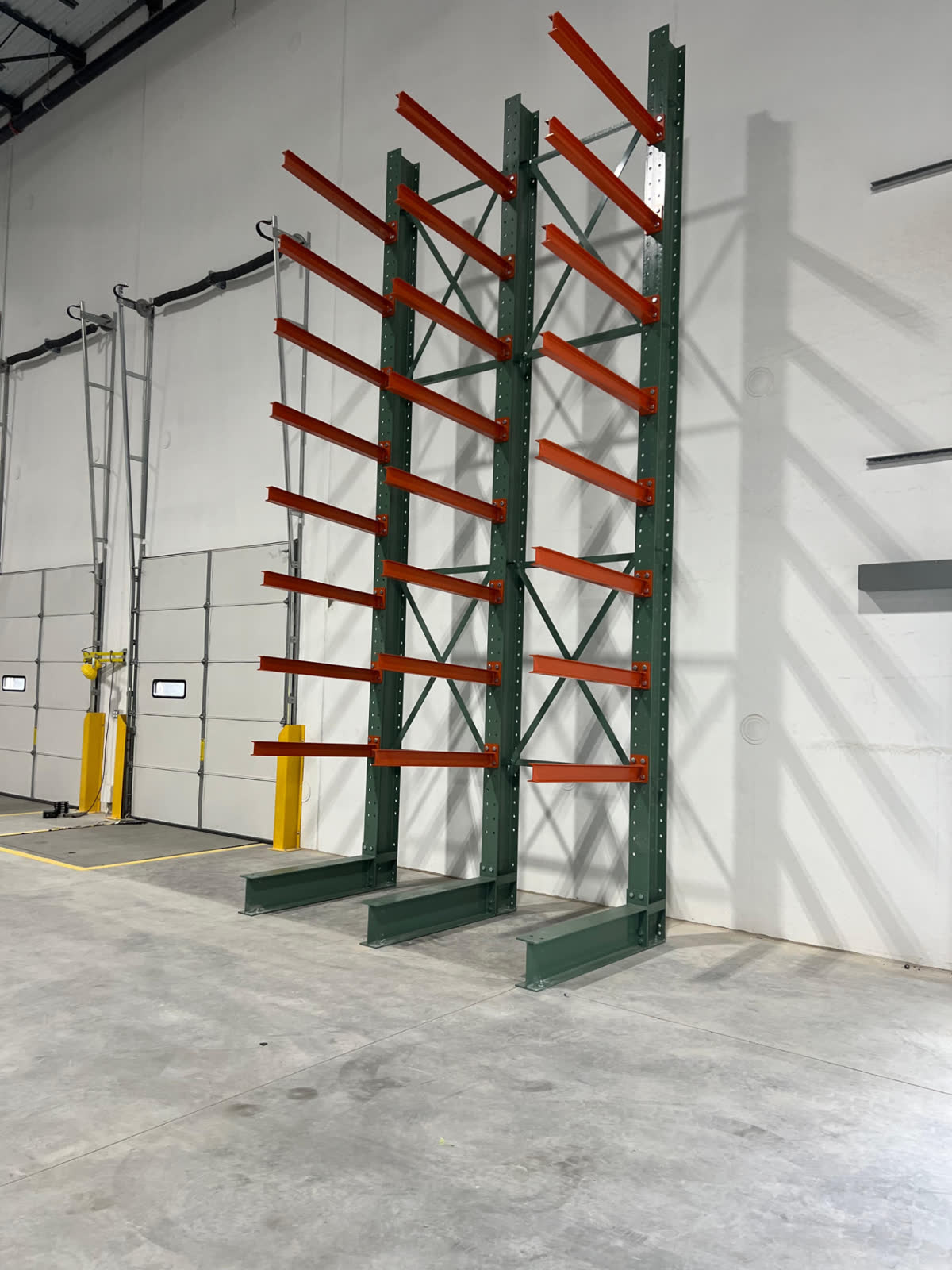
System design follows the data. Push back lanes are sized to your typical SKU depth. Drive-in is proposed only where SKU counts are low enough to keep lanes full. Pallet flow enforces FIFO on dated inventory. Selective racking anchors the pick zone. Carton flow supports case-level fulfillment, and cantilever covers anything that will not palletize.
Standard components generally ship in 48 hours and engineered systems carry a written lead time. Installation on a Romeoville project typically runs one to four weeks and can be phased row by row. Our crews anchor, level, and square every frame, install decking, row spacers, and protection, and provide load capacity documentation. We handle later expansions, reconfiguration, and relocation as the operation shifts.
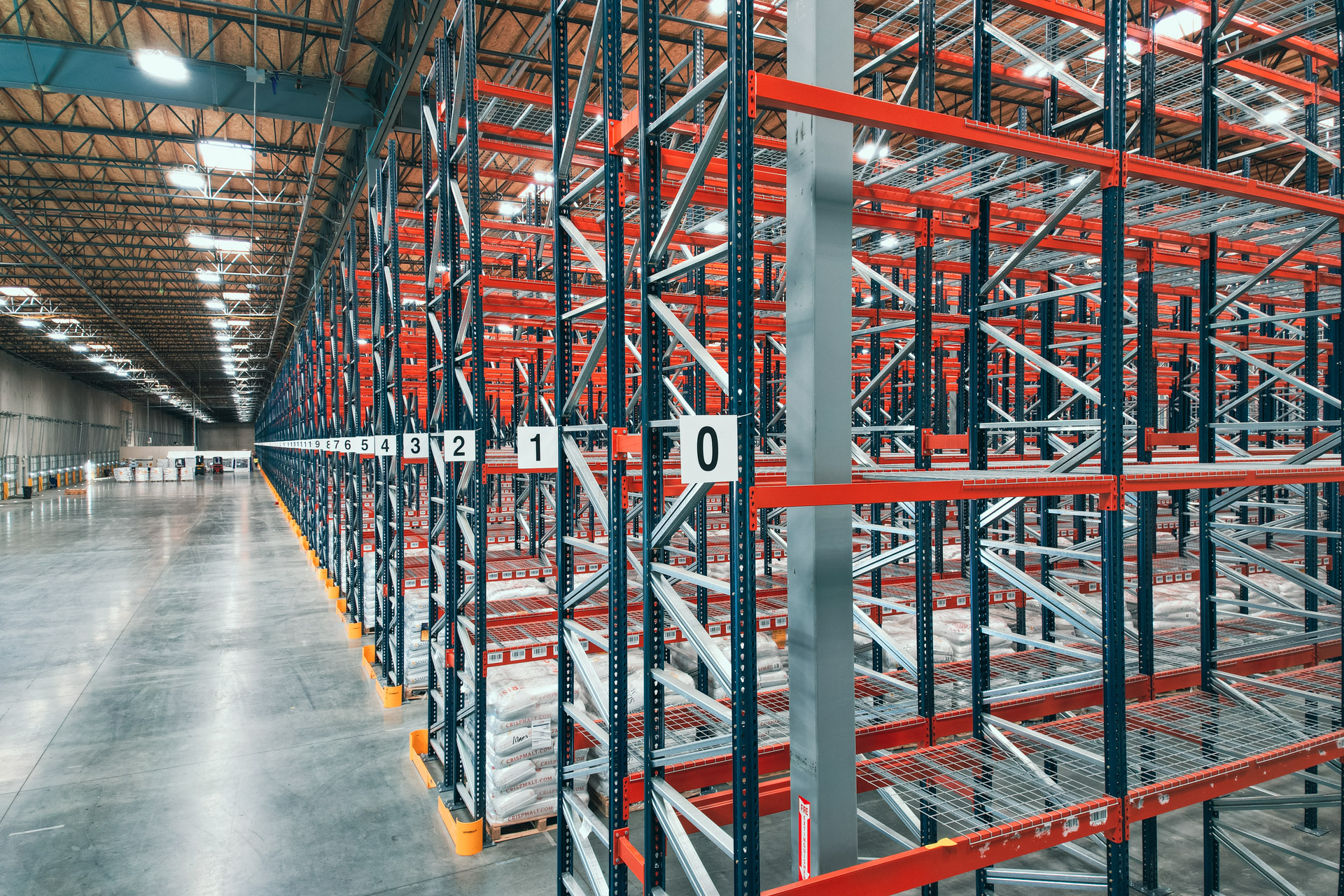
These are the systems that come up most often in local buildings. We carry the full range, and the layout tells us which combination earns its place on your floor.

Push back pallet rack systems utilize nested carts on inclined rails, allowing pallets to be stored 2-6 deep from a single aisle. This industrial pallet racking solution maximizes warehouse space while maintaining selectivity.

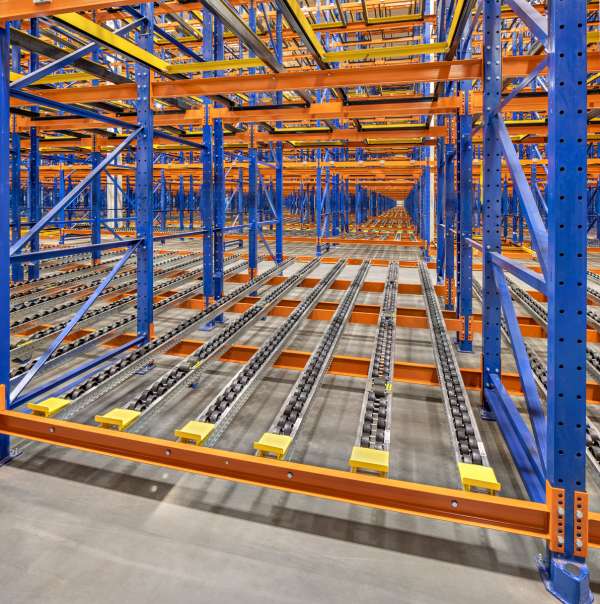
Pallet flow rack systems use gravity-fed rollers to move pallets from the loading end to the picking end, ensuring perfect FIFO inventory rotation. This industrial warehouse racking is ideal for date-sensitive products.

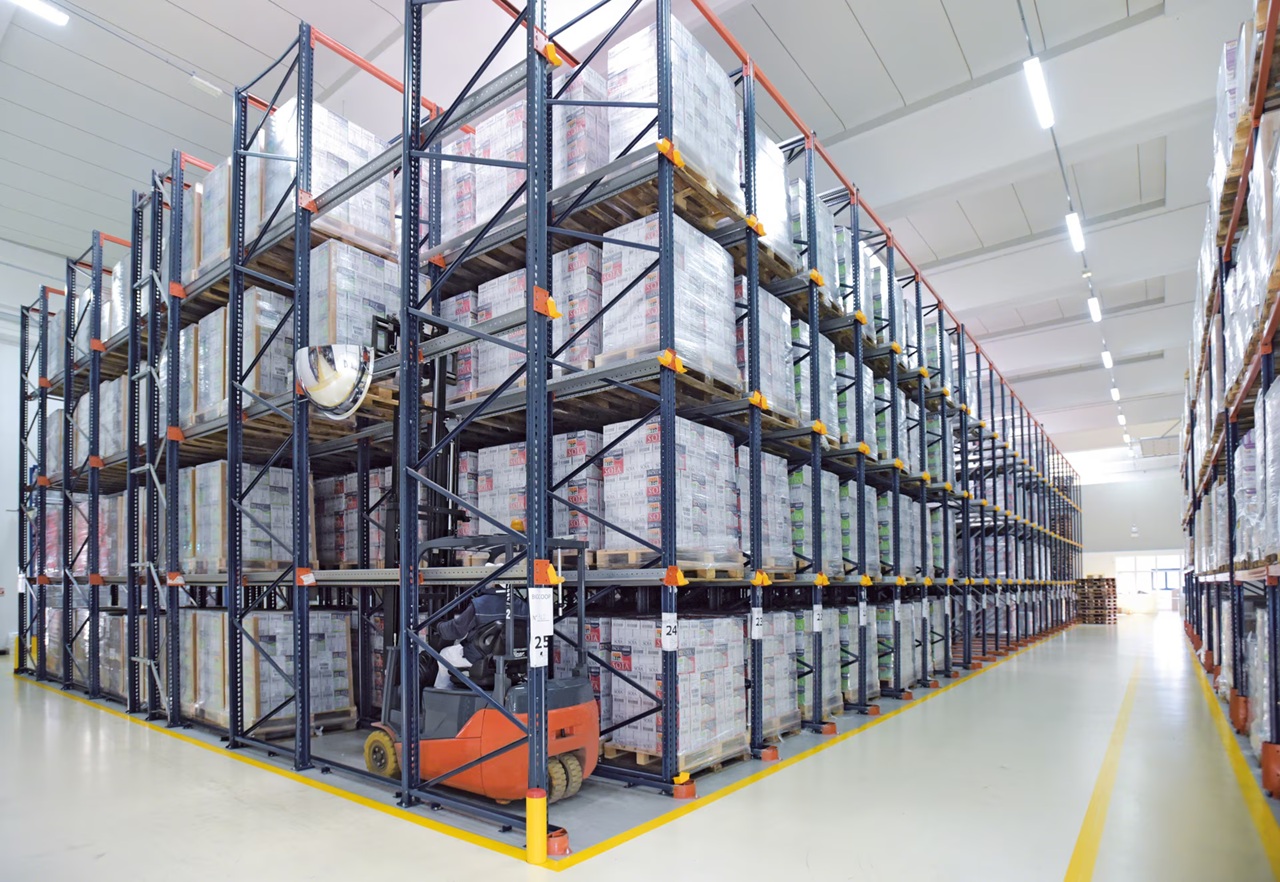
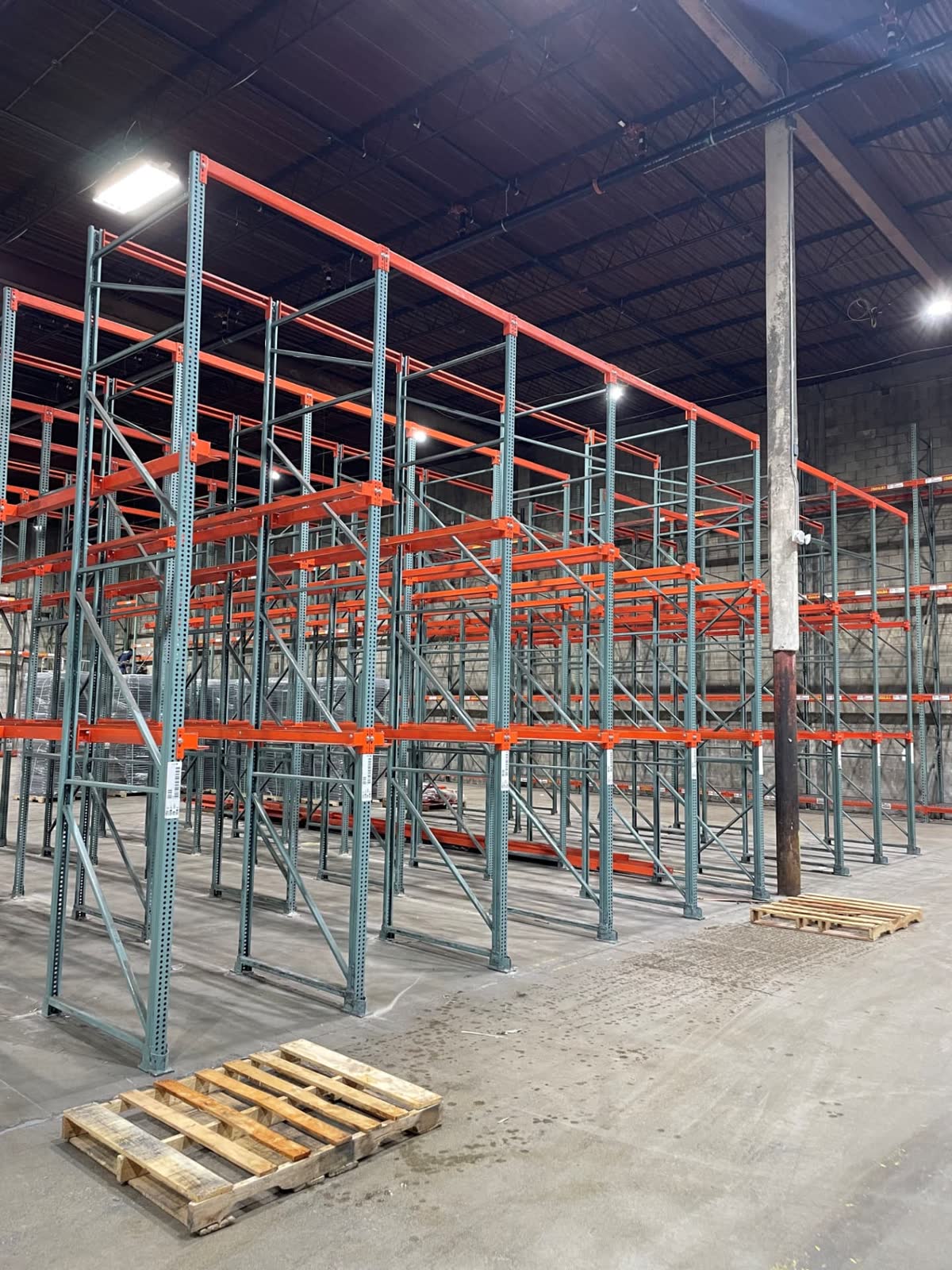
Drive-in pallet rack systems allow forklifts to drive directly into the rack structure, providing high-density storage ideal for warehouses storing large quantities of similar products. This warehouse racking solution can reduce floor space requirements by up to 35%.
Not sure which one fits? See recent pallet rack installations or request a free warehouse consultation. If you also operate near Bolingbrook or Joliet, we can plan both buildings on one layout.
Send the basics and we will come back with a layout, a pallet position count, and a full price. Prefer to talk it through? Call (312) 815-2445.
Many operations run more than one building. We deliver and install pallet rack systems across the same corridors, so a second site can be planned on the same visit to the drawing board.
Free layout, free pallet position count, and a straight answer on lead time.