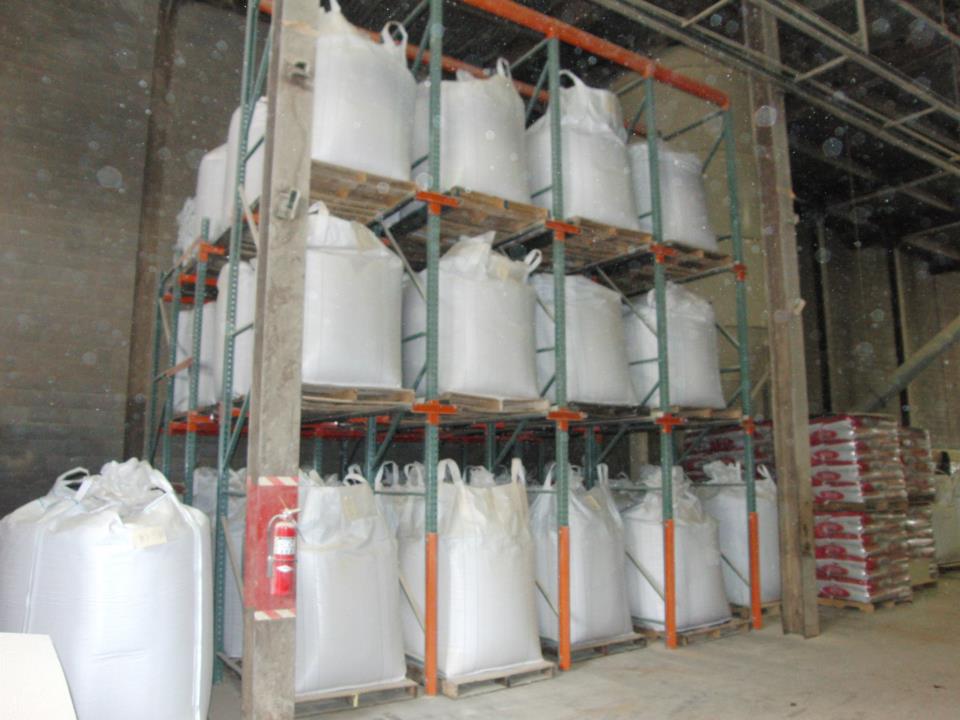
Drive-In Rack Systems in Chicago, IL
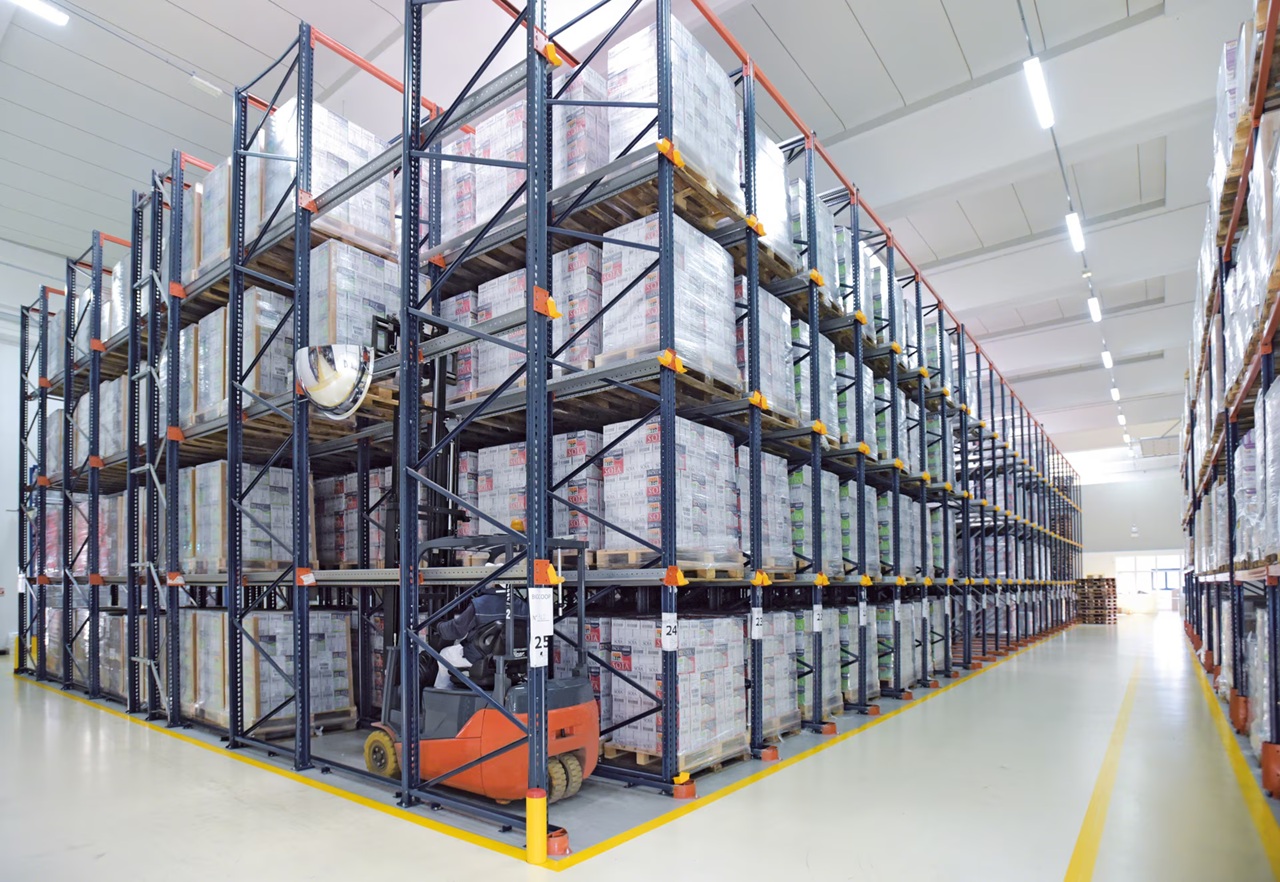
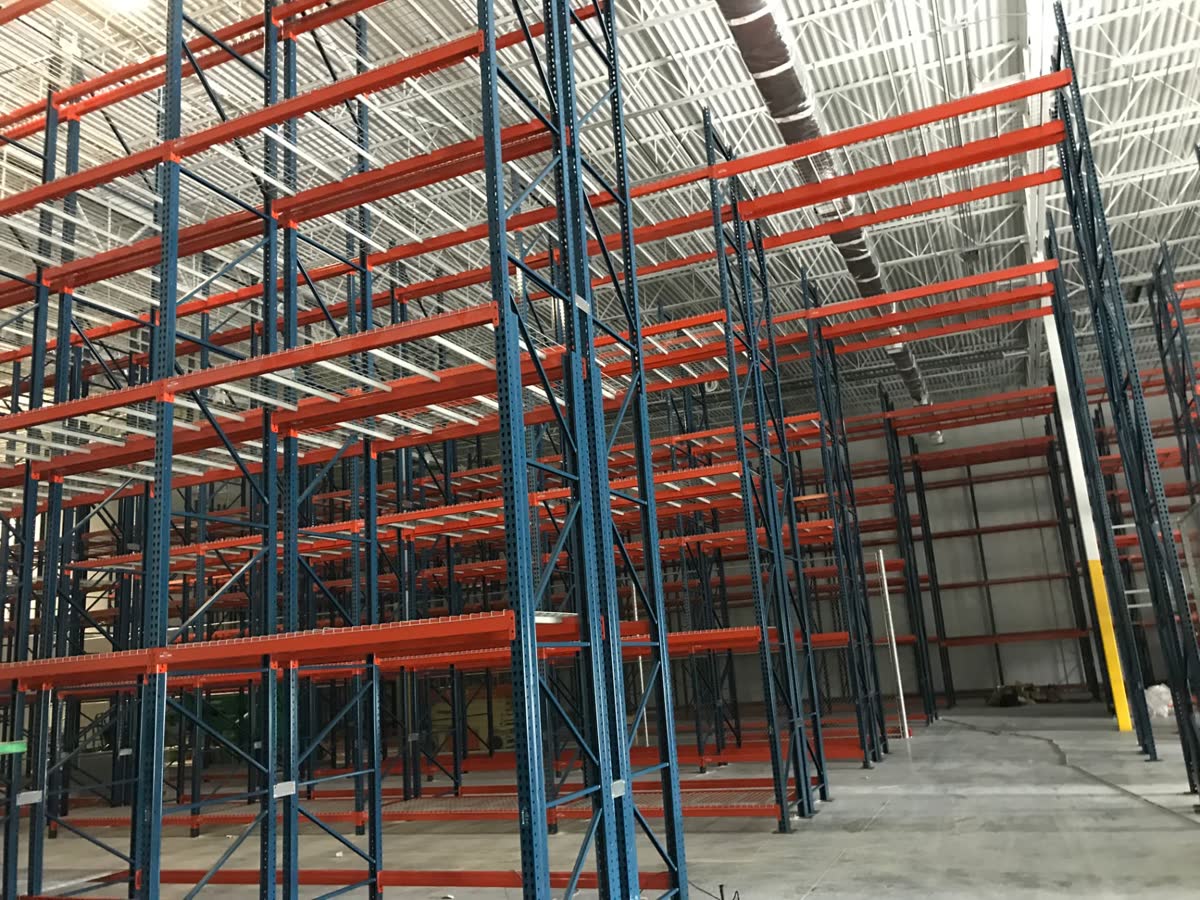
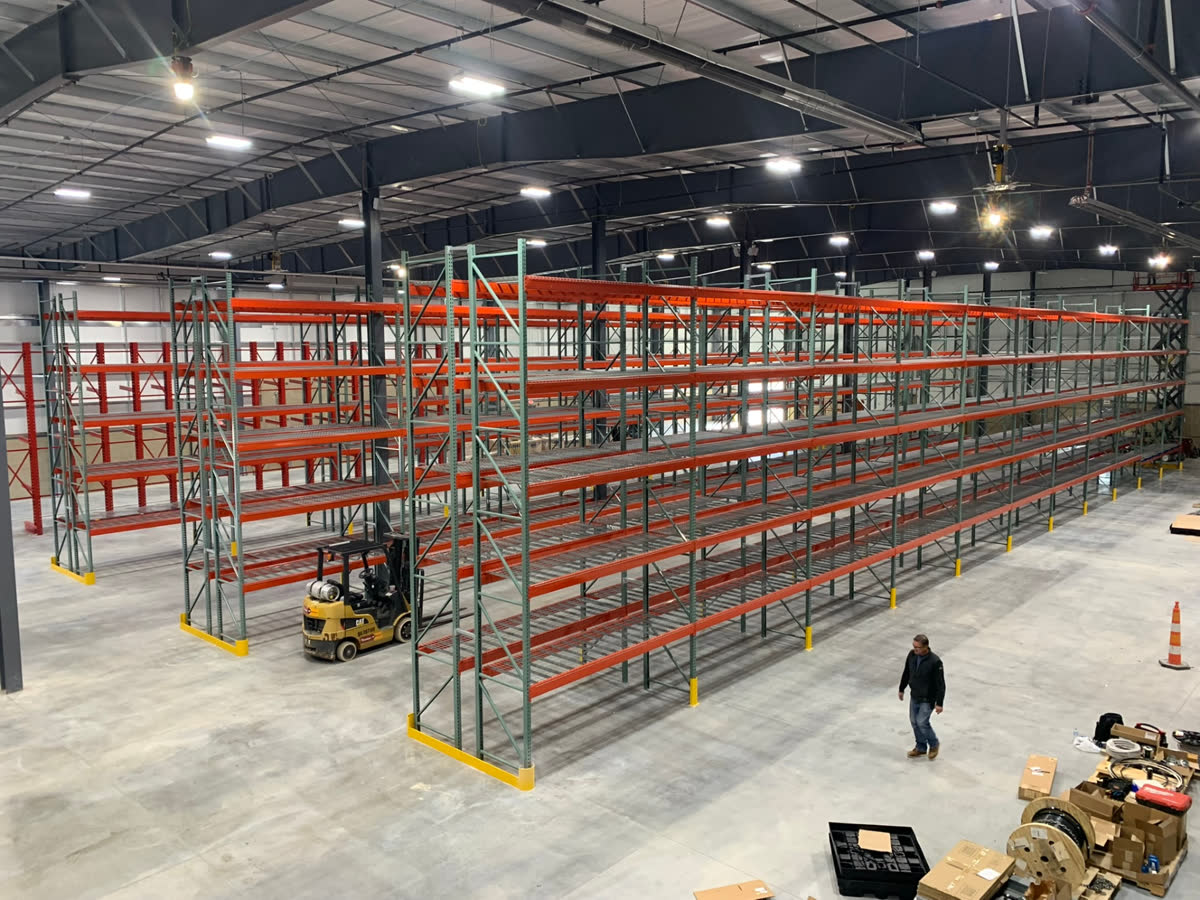
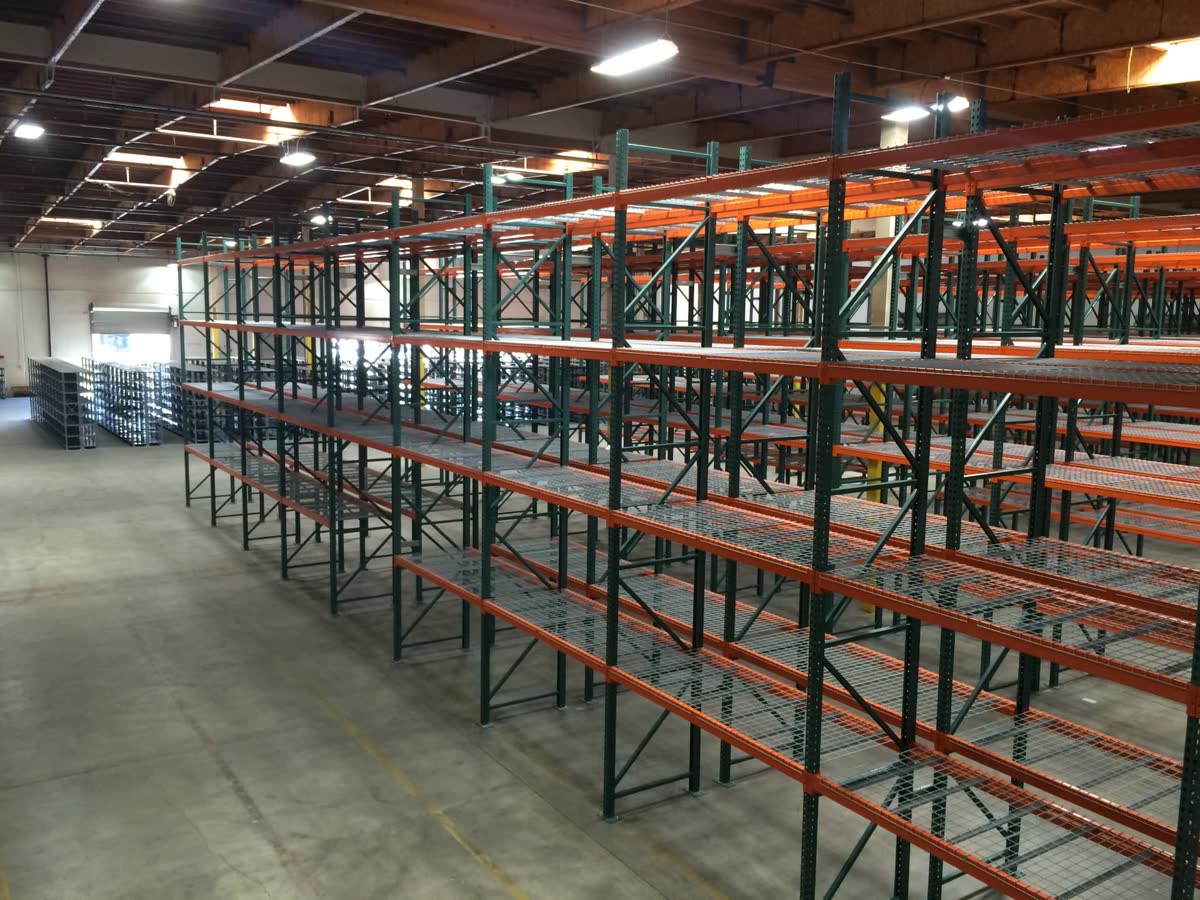
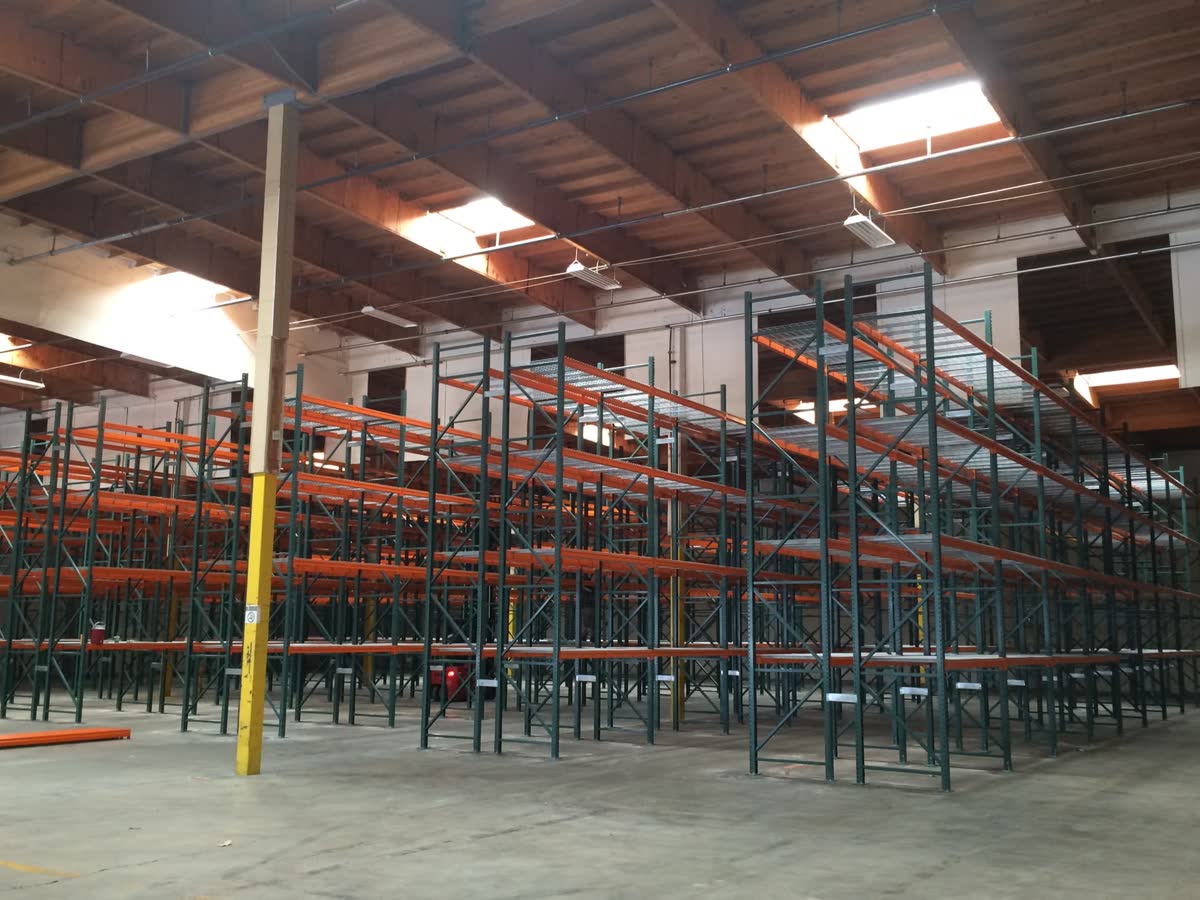
Drive-in rack removes aisles from the equation entirely. The forklift travels inside the structure and sets pallets on continuous rails, which packs more positions into a given footprint than any other system. For the big-box 3PL and food distribution buildings going up around CenterPoint Intermodal in Joliet and Elwood, and along I-55 and I-355 in Romeoville and Bolingbrook, that density is how bulk and buffer stock gets absorbed.
The trade is access: only the pallet at the open end of a lane is reachable until you work through the ones in front of it. That suits large volumes of a small number of SKUs - seasonal build, freezer product, production overflow - and punishes SKU variety. Drive-in loads and unloads from one end for LIFO; drive-through opens both ends for FIFO at the cost of a few positions.
We lay out drive-in around your specific lift truck's dimensions and your real SKU depth, then put the position count next to a selective plan of the same footprint so the density gain is a number, not a sales claim.
The Right Inventory for Drive-In
What We Need to Design It
- What forklift will enter the lanes, and what are its exact dimensions?
- How many pallets do you hold per SKU?
- Do you need LIFO, or does the product require drive-through FIFO?
- What's the clear height in the storage area?
- How many total pallet positions are you trying to reach?
Where Drive-In Rack Earns Its Space in Chicagoland
Will County's I-55 and I-80 corridor is the natural home for drive-in rack in this market. The distribution buildings around CenterPoint Intermodal in Joliet and Elwood - anchored by the BNSF Logistics Park and the Union Pacific terminal - plus the big-box parks in Romeoville and Bolingbrook, hold exactly the inventory profile drive-in rewards: deep stock of relatively few SKUs moving in bulk.
The I-88 East-West Tollway corridor through Naperville and Aurora adds food, packaging, and consumer goods operations that build seasonal inventory months ahead of demand. Freezer buildings across the region are the other stronghold, because density directly shrinks the refrigerated volume being cooled. Chicagoland winters shape the work as much as the layout: unheated docks and staging areas affect install scheduling, so we plan crew time around the season.
What Our Drive-In Projects Cover
The design starts with the forklift, not the rack. Mast height, overall width, load backrest, and turning clearance decide lane dimensions, so truck specifications get collected before anything is drawn.
Next we look at SKU depth. Drive-in rewards deep lanes of a single product and punishes variety - if a lane never fills, you've built an expensive way to store less than you could have with selective. Where the inventory profile is mixed, we'll usually recommend a hybrid: selective at the pick face, drive-in behind it for reserve.
The quote itemizes frames, rails, rail supports, guide rails, and column protection, with a CAD drawing showing lane depth, rail elevations, and total positions. Our installation crews anchor, plumb, and align every rail run, then verify a loaded pallet travels the full lane before handing the system over.
Because drive-in lanes take contact from lift trucks over time, we keep replacement rails and guards available locally and turn repairs around without a long lead time.
Phone consultation
CAD layout
Itemized quote
Delivery & installation
How Drive-In Storage Works
Continuous rails, not beams
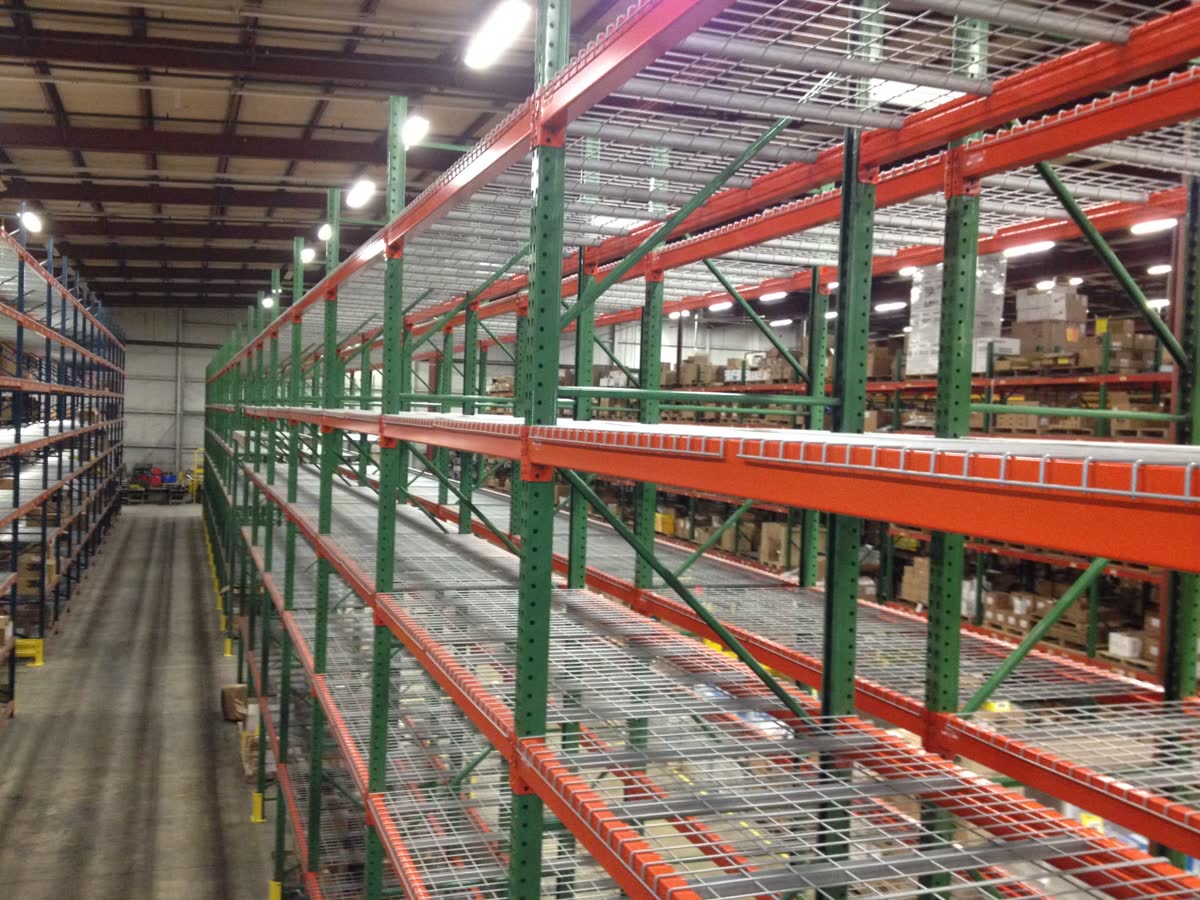
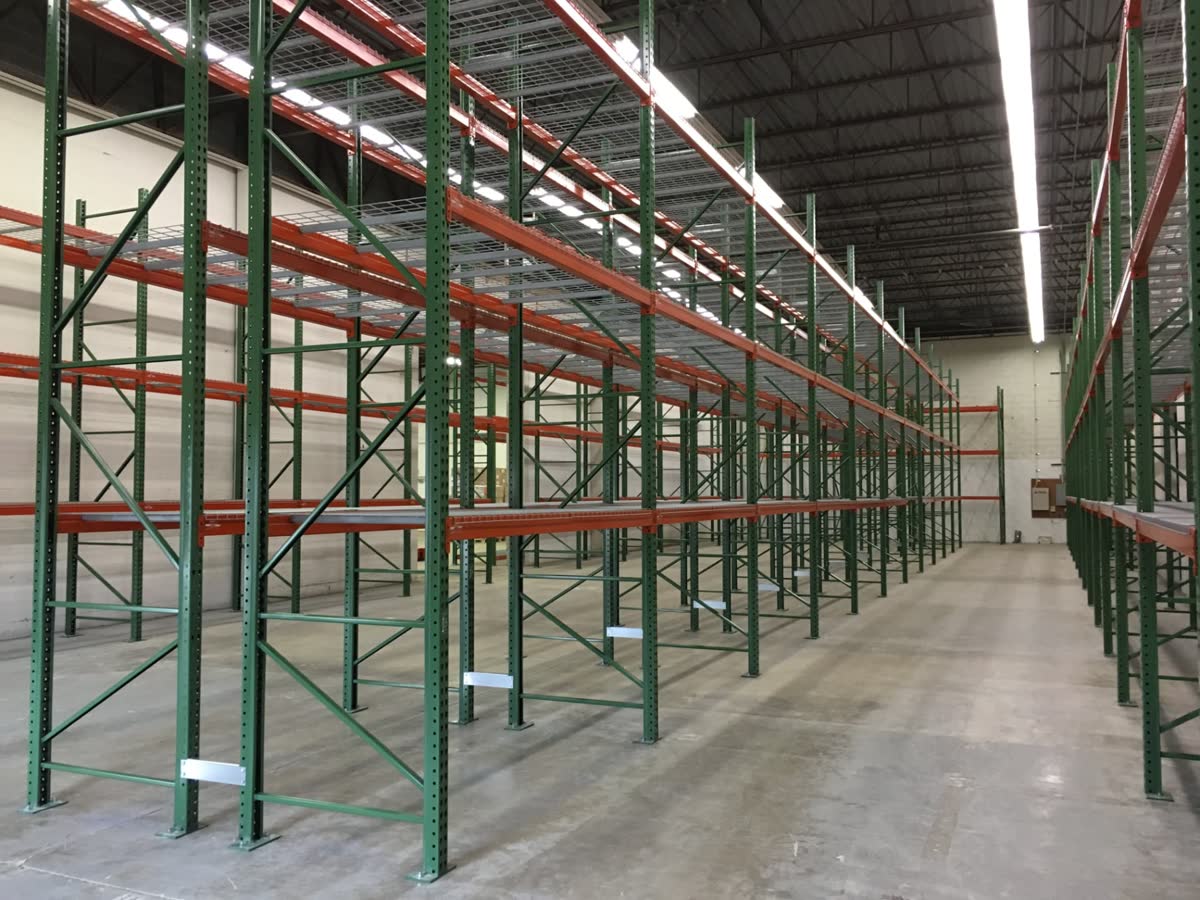
Pallets rest on rails carried by upright frames rather than individual beam levels, so a lane accepts pallet after pallet at the same elevation.
The truck enters the lane
The driver travels inside the bay to place or retrieve each load. Lane width, rail height, and mast clearance get dimensioned to that specific truck, not a generic one.
One open end or two
One open end gives LIFO and the highest density available. Two open ends give FIFO with slightly fewer positions, since each lane now needs clearance from both sides.
Guarding built into the design
Guide rails, column guards, and rail-end protection are part of the spec from the start, because a lane that takes daily contact from forklifts is a lane that will eventually need repair.
Get a Drive-In Rack Quote
Send the basics and we will come back with a layout and pricing. Prefer to talk? Call (312) 815-2445.
What's Included:
- Free warehouse consultation
- CAD layout drawings
- Itemized project quote
- Rack type recommendations
- Installation timeline
Drive-In Rack Questions We Hear in Chicago
Drive-In Rack by Service Area
Delivery and installation across Chicago and the surrounding suburbs.
Other Rack Systems & Services
Pallet Rack
Every pallet reachable, every time. The baseline we size everything else against.
Pushback Rack
Two to six pallets deep from one aisle, without giving up much reach.
Pallet Flow Rack
Load one side, pick the other, and let gravity enforce first in, first out.
Cantilever Rack
Arms with nothing in front of them, built for lumber, pipe, and anything a pallet can't hold.
Carton Flow Rack
Cases advance to the picker instead of the picker hunting for cases.
Warehouse Relocation
We tear down, move, and reinstall your pallet rack so the new building is ready to receive on day one.
Where We Work
Located in Chicago, we serve the entire Chicagoland area with industrial pallet racks and warehouse storage solutions.
Chicago Pallet Racks
Address
36 N. Cass Ave.
Unit #5170
Westmont, IL 60559
Phone
(312) 815-2445Business Hours
Monday - Friday: 8:00 AM - 6:00 PM
Saturday: Closed
Sunday: Closed
Ready to Price Drive-In Rack?
Call (312) 815-2445 or request a quote and we will start a layout.